Darsha's Happenings
Blogs are written to help gain self-awareness, improve self-care,
and provide tips on how to show up your best in
relationships while navigating everyday life.
Darsha's Happenings
These blogs are written to help people gain self-awareness, improve how they care for themselves, and learn how to show up their best in relationships while navigating everyday life.
Mental Health Education & Protection
Mental Health Awareness month is winding down soon. I cannot let this month end without providing some education and clarity related to professional roles within the mental health field. As I’ve said before, this is not about gatekeeping, this is about protection and education. I want people to receive the support they need from the right people. My motivation is to help people have access to accurate, practical, and helpful mental health information and resources.
It is always necessary to know the role and purpose of people in your life to avoid disappointment and potential misguidance. This is not about diminishing anyone’s role in your life; this is about understanding it.
Review the list of people below and determine what type of support they provide.
· Family (various family members)
· Friends (multiple friendships)
· Romantic partner
· Co-workers
· Mentors
· Spiritual leaders/advisers and/or faith communities
· Doctors (e.g., primary care doctor, dentist, OB/GYN, podiatrist)
· Relationship/Life coaches
Now review these three mental health professional roles:
Licensed Professional Counselor (LPC): master’s degree, licensed, requires continuing education to maintain license. We diagnose and treat mental health conditions. (I know the details because I am a Licensed Professional Counselor).
Psychiatrist – licensed medical doctor who specializes in mental health. They diagnose and treat mental health conditions, and part of the treatment is prescribing medication.
Psychologist – doctoral degree (Ph.D./Psy.D.), they diagnose and treat mental health conditions and often licensed psychologists administer psychological testing.
If you go to the wrong person, you are unlikely to get what you need. LPCs and psychologists are unable to prescribe medications to treat mental health symptoms. Psychiatrists do not provide weekly hour-long sessions to process through trauma or abuse.
Now if you go to the wrong mental health professional and cannot get what you need…just imagine what happens if you seek mental health care from a non-mental health professional. After talking to a family member, friend, life coach, or pastor, you might feel good because you vented and received some advice. That’s great! The outcome of participating in mental health therapy sessions is quite different. To be completely honest, you might not always feel good after every therapy session.
Here are just a few things that occur in therapy sessions:
Identifying and processing emotions
Learning how thoughts, behaviors, and feelings are connected
Recognizing behavior and thought patterns and how they impact functioning
Learning and practicing coping strategies
Healing from trauma, abuse, grief, and other significant life experiences
This does not happen with a friend or life coach. However, they can provide the daily or frequent support that might be needed in between mental health therapy sessions. It can be a great support to have a friend to call in the middle of the night or on a Tuesday afternoon to talk to about your life. WE ARE ALL NEEDED.
The beautiful thing about roles is that when we know our roles, we also know when it is beyond our ability. I do not hesitate in telling my clients, I AM NOT A DOCTOR OR PSYCHIATRIST.
I can help in many other ways:
I can help you document your symptoms and prepare you for your appointment with the doctor.
I can share general information about potential benefits of medication treatment.
My client and I can process thoughts and feelings about potential medication treatment.
I can assist my client with developing and maintaining a routine to ensure medication compliance.
I can collaborate with the doctor to improve my client’s treatment outcomes.
I can’t say it enough, we all have a role. If you are considering adding someone to your support network, please ask questions if you are not clear about how they can support you. You might want to consider someone else, if they cannot specifically share how they can help you, cannot show you their credentials that prove they can legally and ethically do what they are sharing with you, or they are unable or unwilling to answer your questions.
Here are a few questions to get you started:
What are your credentials?
What is your professional experience or how long have you been practicing?
What is your area of expertise? (For example: Do you work with people who are struggling with grief or past abuse?)
How do you help your clients?
What should I expect during therapy sessions?
How will progress in treatment be determined?
A good fit with a therapist is one of the most crucial factors in the therapist-client relationship. A woman who wants to focus on body image issues, might be more comfortable with a woman therapist. A couple might want a therapist who is married or who has helped couples navigate divorce and co-parenting. Please do not hesitate to ask your questions. Therapists are not required to answer all questions, but many are willing to answer questions that will help determine a good fit. If a therapist is not willing to disclose if they have children, and you want a therapist who has children because of the concerns you have with parenting, then you can choose to interview another therapist.
Remember your first pick doesn’t have to be your final pick. I recommend attending at least three sessions to determine a good fit. If you have researched the therapist, asked the questions, and participated in the sessions, and you decide it’s not a good fit, then start your search again. I know finding a good therapist can be an overwhelming, time consuming, challenging task, but don’t give up. The process of finding a good therapist for you and the work in therapy can be hard but remember We Can Do Hard Things. Remember your why and benefits that can come from therapy. Therapy is cool! Therapy can be life changing! Stay focused and work hard for what you want! Healing, growth, happiness…whatever it is stay committed!
Until Next Time Take Care,
Darsha D!
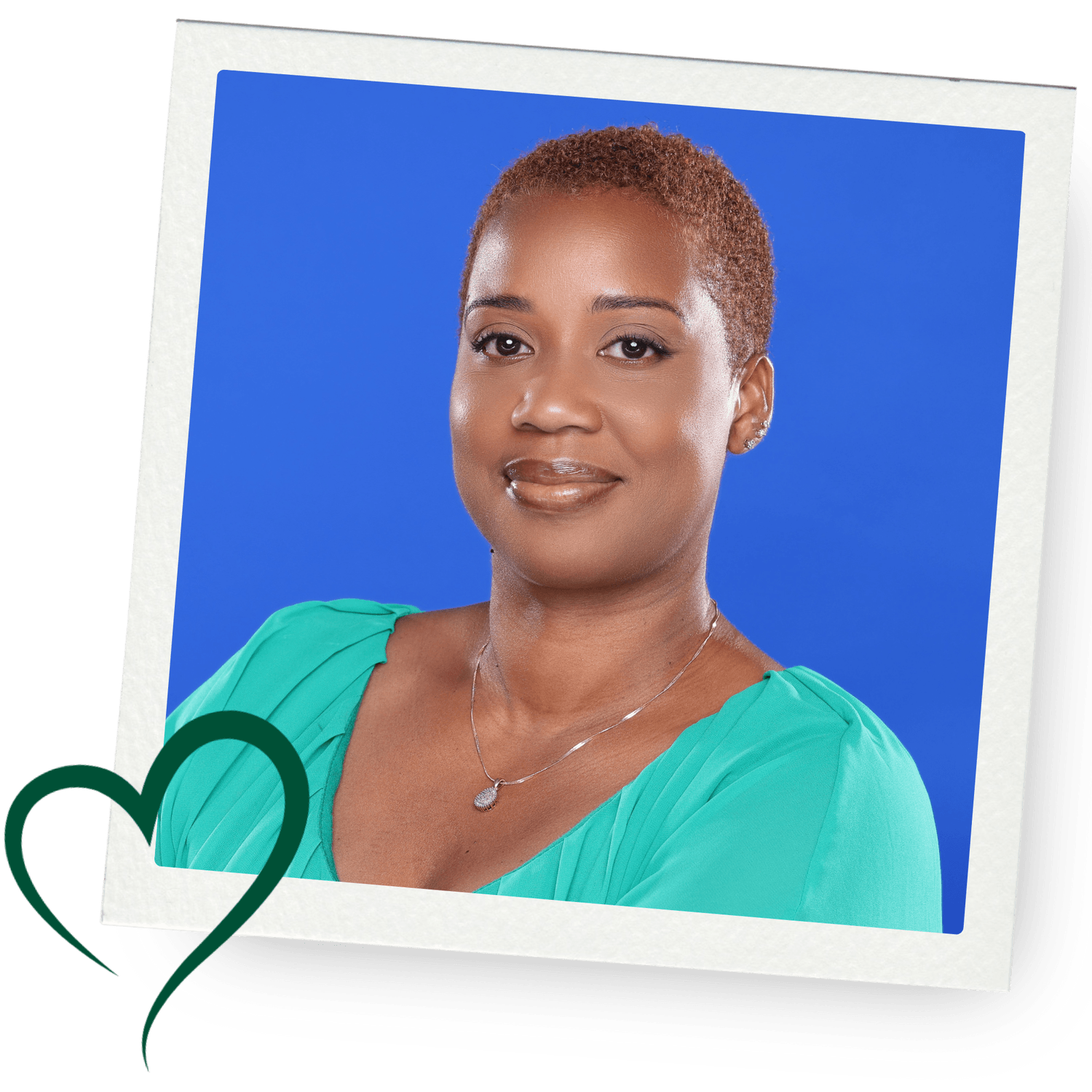
Meet Darsha D. Clark, LPC
Darsha has been married for 18 years and has used all the tips in her own marriage that she has shared in the book. She has been a mental health professional for more than 25 years, helping individuals and couples learn strategies to improve their relationships.
Order Your Copy of Adventures In Love
Wherever you are on your relationship journey, this workbook will inspire and equip you with the strategies you need to navigate the beautiful, complicated, ever-evolving adventures of love.





© 2026 DARSHA D. CLARK, LPC, LLC | TERMS & CONDITIONS | PRIVACY POLICY | REFUND POLICY | DESIGN BY CNCO